

Photos: Gaz De Vere
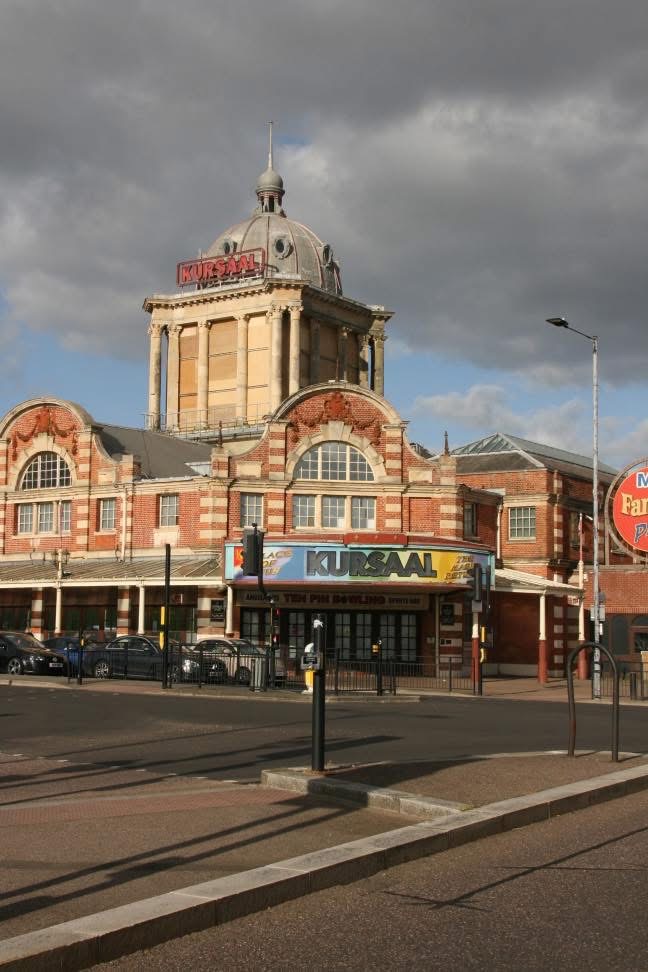
Bayo Alaba MP on Southend City Radio for a debrief after a key moment in the history of The Kursaal, as council leaders and residents meet to discuss what’s next for the grade 2 listed building left empty since 2019.
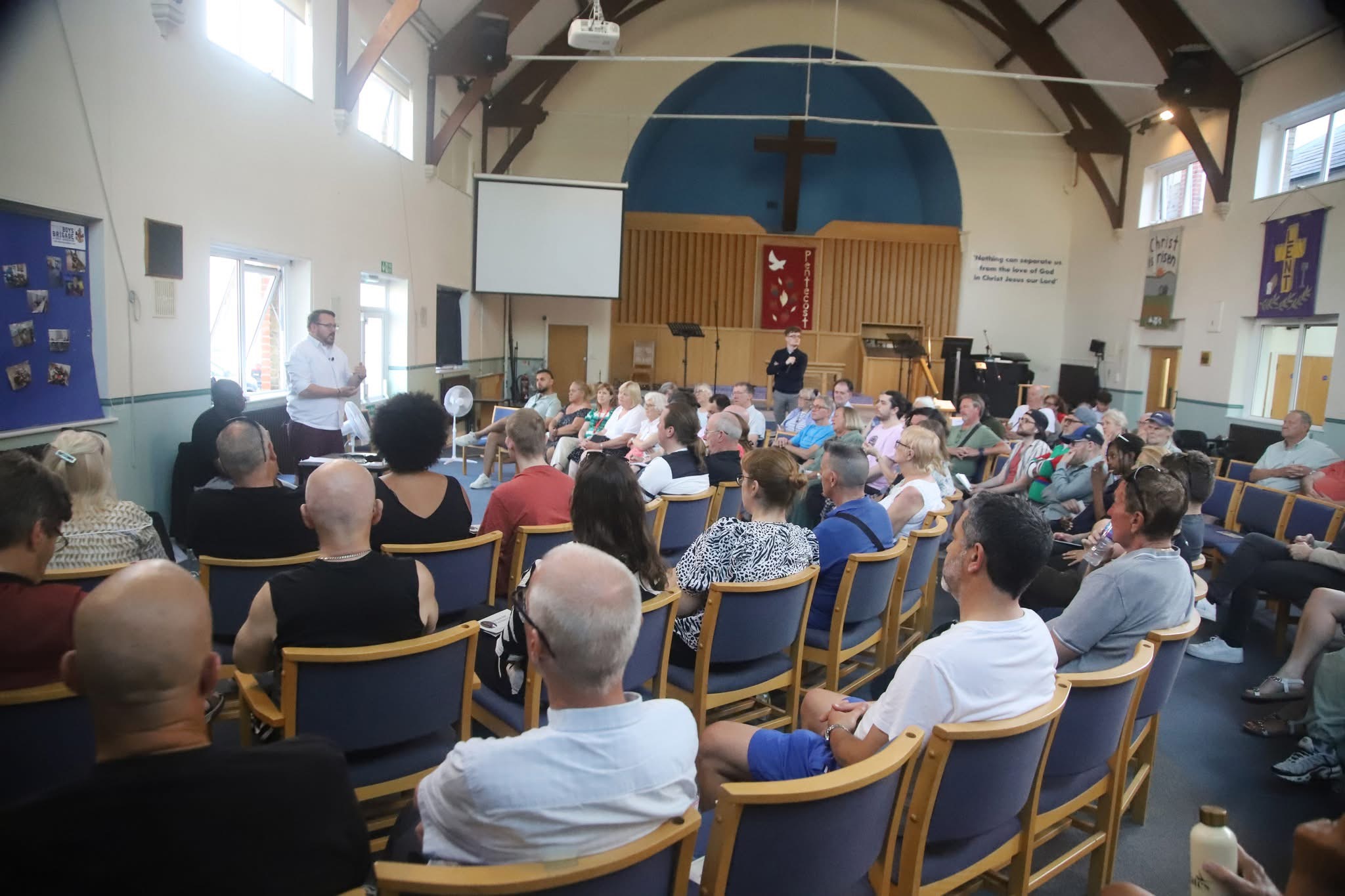
To catch up on what was discussed about The Kursaal at this week’s meeting, click play in the box below to hear Bayo’s debrief.
The Kursaal Building through the ages…
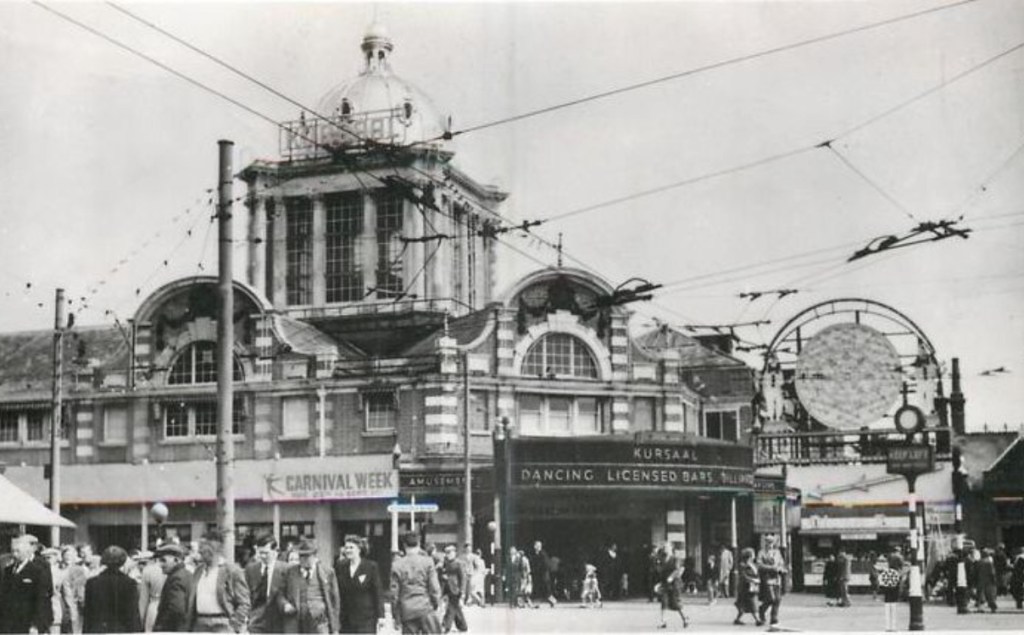
1901 – A Palace of Pleasure Opens
The Kursaal officially opens to the public, designed by George Sherrin (also behind parts of Liverpool Street Station). Built by father-and-son showmen Alfred and Bernard Tollhurst, it was the world’s first purpose-built amusement park — featuring a circus arena, ballroom, arcade, dining hall, gardens, and billiard rooms. The name “Kursaal” comes from a German word meaning “cure hall” – a nod to its Victorian health spa inspiration.
1910s–1920s – Luna Park & Boom Years
Rebranded as “Luna Park,” the grounds become home to thrilling fairground rides including roller coasters, a miniature railway, the Wall of Death, and Southend’s very first cinema. Attractions like a zoo and menagerie draw huge crowds — often more than 100,000 people a week in peak season. Southend cements its place as one of the UK’s top seaside resorts.
1919–1934 – Football Meets the Fairground
Southend United move their home ground to the Kursaal site in 1919. For 15 years, locals cheer on the Shrimpers with a roller coaster just a stone’s throw from the touchline. The club leaves in 1934 for the newly built Roots Hall.
1950s–60s – The Kursaal in Full Swing
Post-war Britain embraces leisure, and the Kursaal evolves into a hub for dancing, skating, shows, and family fun. The Morehouse family, now operating the site, maintain its dazzling range of attractions — from circuses and ice cream parlours to the Cyclone roller coaster and a full-time team of gardeners to keep the grounds looking lush. It’s an era of ice creams, bumper cars, and ballroom bliss.
1970s – Rock Royalty on Stage
The Kursaal Ballroom becomes a legendary live music venue. Queen, Thin Lizzy, Black Sabbath, AC/DC, Suzi Quatro, and many others play here before hitting the big time. Local band Kursaal Flyers even name themselves after it. The dome echoes with amplifiers instead of laughter.
1973 – The End of the Rides
The iconic outdoor rides shut down due to rising insurance and maintenance costs. The Cyclone coaster is dismantled, and the fairground begins to disappear from the Southend skyline.
1986 – Closed and Forgotten
The main Kursaal building is closed completely. Once the jewel of Southend, it now stands empty and fading — a ghost of its glamorous past. For over a decade, it remains derelict and under threat of demolition.
1998 – Restoration and Revival
After years of campaigning, a multi-million pound restoration breathes new life into the Kursaal. It reopens with a new bowling alley, casino, McDonald’s, soft play area, and amusement arcade. Southend briefly dares to hope it’s back for good.
2019 – A Shadow of Its Former Self
The bowling alley and casino both close by 2019. Only a Tesco Express remains open inside the once-grand structure. The dome is still standing, but the magic has dimmed again.
Today – A Sleeping Giant
Now Grade II listed, the Kursaal is protected by law, but mostly unused although campaigns continue to bring it back as a live venue, community space, or heritage attraction. Yesterday’s meeting organised by Bayo Alaba MP was a welcome step towards restoring The Kursaal to glory and finding a way to breathe new life into one of the Crown Jewels of Southend.
We’d love to hear your ideas and thoughts on what the future of The Kursaal should be – drop us a comment on our social media and share this post to get the conversation flowing about what to do with this historic and much-loved space next.



 City Radio
You must be logged in to post a comment.